
Custom Packaging Suppliers That Fit Small Brands with Big Plans
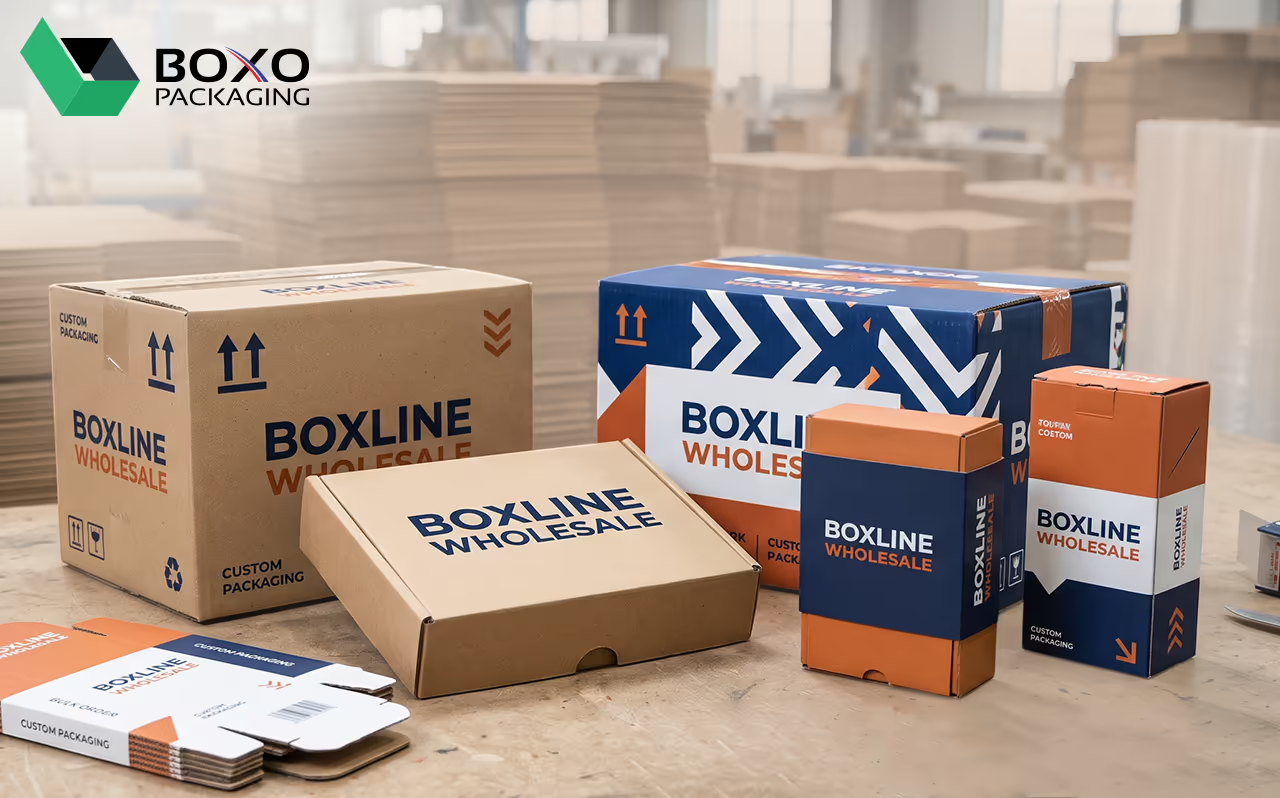
A small brand with ambitious plans needs a supplier that can grow alongside it. The wrong choice shows up later, when volumes rise, and the same carton suddenly needs to be made faster, in more sizes, or with a new finish. Comparing Custom Packaging Suppliers is easier when you judge them on how they handle change, not just on today’s price. These checks cover what to ask, test, and confirm before you order.
Why Growth Plans Belong in the First Conversation
Many buyers describe only the order in front of them. Suppliers then quote for that single job, and the limits appear when the brand expands.
Tell each company where you expect to be in a year. Mention extra product lines, higher quantities, or new sales channels. A good supplier will explain how those changes affect cost, lead time and the available box styles, rather than simply repeating a price.
Checking Whether Minimum Orders Will Still Suit You
Minimum quantities can be generous for a first order and awkward later, or the other way round. Ask what the lowest run is for each style and how pricing changes as volumes increase.
Also ask whether you can order several designs together to reach a higher tier. A supplier who allows mixed runs can save a young brand a great deal of stock it has no room to store.
Asking About Capacity and Busy Periods
Every supplier has quiet months and crowded ones. Ask how the queue behaves before major holidays and whether early bookings secure a production slot.
Find out how they cope if your order doubles at short notice. Plain, specific answers suggest the process is real. A confident promise with no detail is worth following up with a second question.
Comparing Samples from Two Companies Side by Side
Samples let you judge quality without relying on words. Request a physical sample from each shortlisted supplier and lay them on one table in daylight.
Look closely at the folds, glue lines, corners, and print edges. Press each side gently and open and close the lid several times. Where your boxes will hold food, cosmetics, or other regulated goods, rules differ by region, so check the current requirements for your market. This is general information, not legal advice.
Four Details to Confirm Before You Request a Quote
Send these together, and every reply will be quicker and easier to compare:
- The internal length, width and height, measured around your finished product
- The board strength needed for the weight of the contents
- The print colours, finishes and where the artwork should sit
- Your first order quantity, plus the volumes and timing you expect as you grow
A Sample-Led Process Built for Growing Brands
The easiest way to test any supplier is to see how it treats your real product. At Boxo Packaging UK, you send over your item, request samples, and test them with your own filler, handling, and posting routine. You then review the fit, print and structure together, and production begins only once you are satisfied. That hands-on path is a fair standard to hold any of the Custom Packaging Suppliers on your shortlist to.
Good supplier relationships rest on honest questions about growth, capacity and minimums, backed by samples you can handle. Boxo Packaging UK supports that careful, evidence-first approach, so ambitious brands can scale their orders with fewer surprises.
Custom Gable Boxes for Farm Shops and Hamper Makers
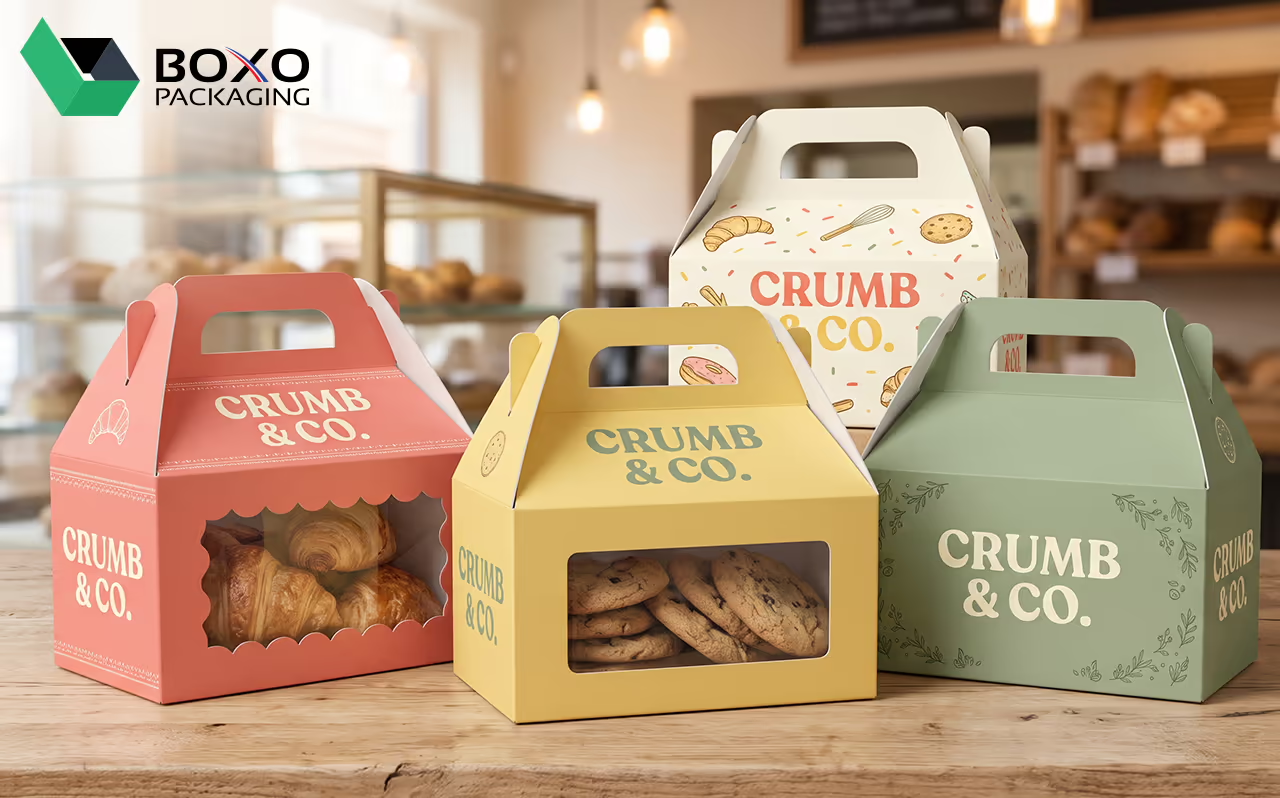
A hamper stuffed with jams, biscuits and chutneys is heavy, and the carton has to carry all of it. Customers lift it by the handle, set it on a car seat and expect everything to stay put. Choosing Custom Gable Boxes for a mixed hamper means planning for weight, awkward shapes and a tidy reveal. These checks cover what to measure, test and ask before you order.
Why Mixed Contents Strain the Handle and Base
Jars, tins and boxed treats concentrate weight in small spots. The handle takes the pull, while the base takes the pressure from every corner of every item.
Fill a sample with your heaviest hamper and lift it by the handle alone. Carry it across a room, set it down, and lift it again. Check that the folds around the top have not split and that the base has not dipped in the middle.
Arranging Jars, Tins and Soft Items
Heavy items belong low and central, with lighter packs around them. Lay everything out on a table in the order you plan to pack, then measure the full block at its longest, widest, and tallest points.
Write the internal dimensions in the order length, width, height so nobody reads them back to front when the order is placed. Leave a little height under the roof panels so the lid closes without pressing on the contents.
Stopping Glass and Tins Knocking Together
Clinking jars are a sign of trouble. Paper shred, board dividers and pulp collars all keep items apart, each in a different way.
Pack a sample with real jars and shake it gently. Then tilt it, as a car boot might, and listen again. Open it and check for chipped labels or scuffed tins. Any movement shows where the filler or divider needs adjusting.
Making the Box Part of the Gift
A hamper box is often kept and reused. Plain board with a bold name can look warm and genuine, while a printed pattern adds charm for gifting seasons.
Ask for a printed sample and view it in daylight and under shop lighting. Keep your name large and any message short. Wipe the print with a dry cloth, then a barely damp one, to see whether it marks.
Food Gifts and Rules to Check
If the boxes will hold food, rules differ by region, so check the current requirements for your market. This is general information, not legal advice. Leave a flat panel for ingredients, allergen details, or best-before notes, and avoid printing material or safety claims unless your supplier can show you evidence you can verify.
Four Details to Confirm Before You Request a Quote
Send these together, and your quote will be quicker and easier to compare:
- The internal length, width and height, measured around a complete hamper
- The filled weight the handle and base must carry
- The print colours, finishes and where artwork should sit
- Your first order quantity and the reorder volumes you expect
Packing a Full Hamper Before Production Begins
A flat drawing cannot show how a handle feels under a full load of jars. At Boxo Packaging UK, the process starts with you sending over your product, so the fit is judged against the real items. You then request samples, test them with your own fillers, packing routine and delivery route, and review the fit, print and structure together. Production begins only once you are satisfied, which makes it easier to settle on Custom Gable Boxes that suit your range.
A good hamper box comes from honest weighing, firm separation between jars, and a handle tested under real load. Boxo Packaging UK supports that careful, sample-first approach, so every gift reaches its table looking as generous as you intended.
Bakery Packaging for Home Bakers Starting Their First Orders
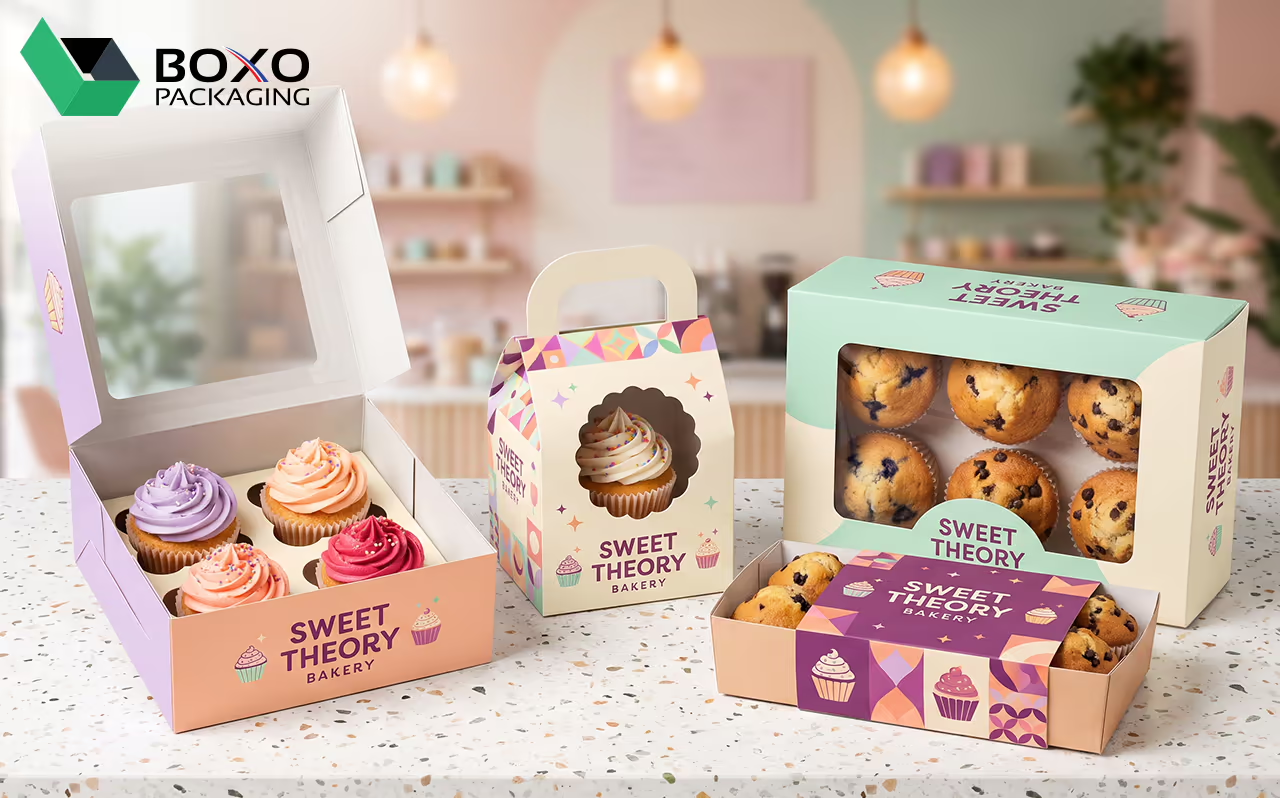
Selling from a home kitchen feels exciting until the first order needs a box. Suddenly you are weighing up sizes, board types and print, with no shop counter to hide behind. Planning Bakery Packaging as a home baker means choosing cartons that are simple to pack, kind to your budget and ready for real customers. These checks cover what to measure, test, and ask before you order.
Why Home Bakers Need Simpler Choices
A shop can afford a different carton for every product. A home baker usually cannot, because storage space is tight and early orders are small.
List everything you sell, then see which items can share one size. A single, well-chosen box with a removable liner may cover cupcakes, brownies and cookies. Fewer styles mean less stock in the spare room and fewer mistakes on busy baking days.
Measuring Real Bakes, Not Recipe Sizes
Tin sizes and finished bakes are rarely the same. Icing, risen tops, and decorations add height, and cooling can change width.
Measure several finished items at their widest, longest, and tallest points, then note the smallest and largest. Write the internal dimensions in the order length, width, height so nobody reads them back to front when the order is placed. Leave a small gap above the tallest bake so the lid does not touch the topping.
Packing at the Kitchen Table
Most home bakers pack in a hurry, between baking and delivery. Time yourself filling ten samples from flat sheet to closed lid, and note any fold that slows you down.
Pre-glued bases and simple tuck lids often save the most time. Also check where you will store flat stock, because damp air in a kitchen can soften board and bend the folds.
Keeping Bakes Fresh Until Handover
Warm bakes release steam, and sticky toppings can mark plain board. Let a few items cool for different lengths of time, then box them and check each one after an hour.
Where boxes will touch food directly, rules differ by region, so check the current requirements for your market. This is general information, not legal advice. Avoid printing material or safety claims unless your supplier can show you evidence you can verify.
Quick Tests Before You Approve a Sample
A short routine will reveal most weak points:
- Carry a filled box across a room and set it down gently on an uneven surface.
- Tilt it slightly and check whether the bakes slide or the topping smudges.
- Wipe the printed surface with a dry cloth, then a barely damp one, to see whether the ink marks.
- Leave a filled box overnight and check the base for grease or soft patches.
Write down each weak point and pass it to your supplier before production begins.
Four Details to Confirm Before You Request a Quote
Send these together, and your quote will be quicker and easier to compare:
- The internal length, width and height, measured around your tallest bake
- The board strength needed for the filled weight and any grease
- The print colours, finishes and where your name or logo should sit
- Your first order quantity and the reorder volumes you expect
Trying Your Own Bakes in a Real Sample
A flat drawing cannot show how a warm brownie behaves in a closed carton. At Boxo Packaging UK, the process starts with you sending over your product, so the fit is judged against the real item. You then request samples, test them with your own recipes, cooling routine and delivery round, and review the fit, print and structure together. Production begins only once you are satisfied, which makes it easier to settle on Bakery Packaging that suits your kitchen.
A confident start comes from fewer box styles, honest measuring and a sample that has survived a real delivery. Boxo Packaging UK supports that careful, sample-first approach, so your first customers open a box that looks as good as your baking tastes.